It is not often that my profession and the hobby I am passionate about collide. Well, it happened last week.
When two pallets of graded trading cards vanish from a carrier’s truck, the people who own the cards may find that no one owes them full value. Under the usual rules of transportation law, the grading company that shipped the cards is generally not liable for a third party’s theft. The customers likely agreed to limit their claims in advance. The carrier will argue that its own liability, if any, is capped by contract.
Santa Ana police said Professional Sports Authenticator (PSA) reported the theft on October 13. According to police, two pallets of Pokémon and sports cards were taken from a FedEx truck on the 1600 block of E. St. Andrew Place, and a third pallet was “disrupted.” The estimated value was $963,000, though police said the exact loss could not be determined until the remaining boxes were scanned.
The shipper generally isn’t liable
When a collector sends cards to PSA for grading, the relationship is usually treated as a bailment for hire. PSA holds someone else’s property for a fee. A bailee for hire must use ordinary care, but it does not insure the goods against every loss. California sets this standard by statute for deposits for hire (Civil Code § 1852).
Theft by an outsider is not, by itself, a breach of ordinary care. A customer would need to show that PSA was negligent. Examples include leaving pallets unsecured, ignoring its own security procedures, or picking a carrier it had reason to distrust.
Once PSA tenders the goods to a common carrier, legal custody passes to the carrier. A loss in transit is the carrier’s responsibility under federal law. PSA’s main role is that of the shipper with a claim against FedEx, not that of a wrongdoer. Customers who lost cards likely cannot sue FedEx directly, because they have no contractual relationship with it. The claim against the carrier belongs to PSA as the shipper.
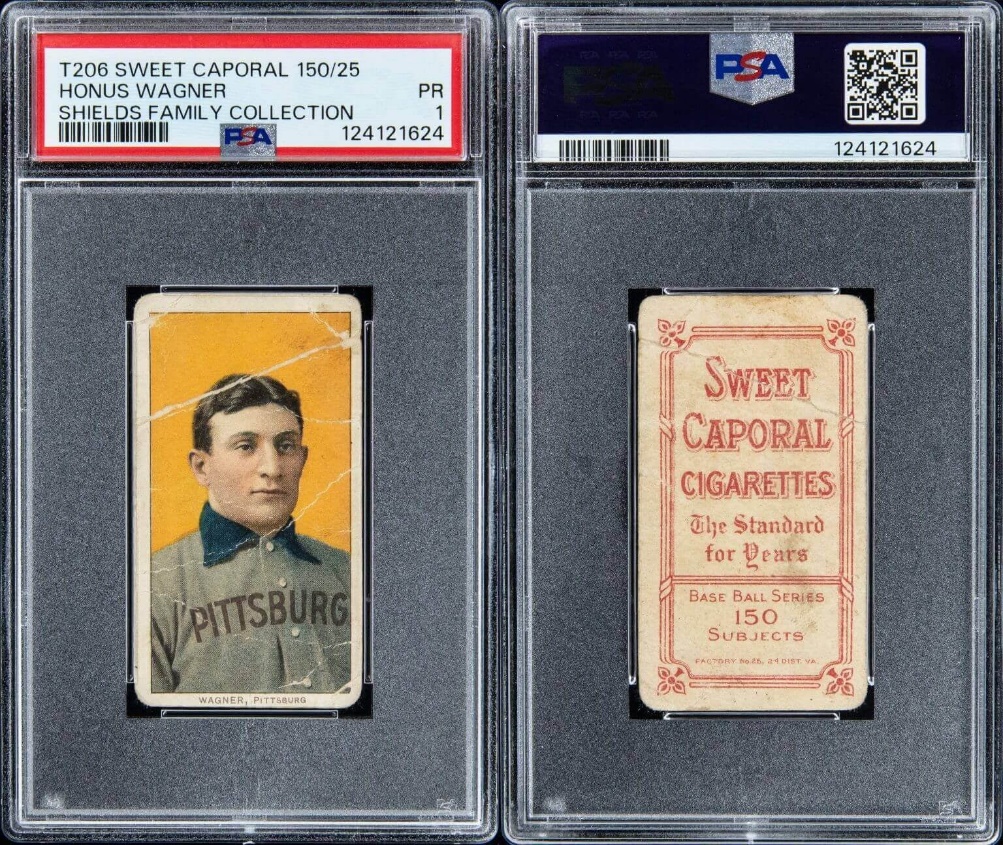
A PSA-graded T206 Honus Wagner baseball card (Sweet Caporal back), front and back. T206 cards from the early 1900s are among the most valuable in the hobby.
Customers likely agreed to limit their claims
Grading services typically require customers to accept submission terms before sending cards. These terms commonly cap liability at the value the customer declared, or at a lower figure. They may also disclaim responsibility for losses in transit, tell customers to carry their own insurance, and require arbitration. This article does not review PSA’s actual terms, which are what control.
California courts generally enforce clear, agreed-to limitations in commercial contracts. There are limits. Civil Code § 1668 bars contracts that excuse fraud, willful injury, or violations of law. Under Tunkl v. Regents of University of California (1963), exculpatory clauses fail when the contract involves the public interest, and card grading is unlikely to qualify.
California courts also refuse to enforce releases of liability for gross negligence (City of Santa Barbara v. Superior Court, 2007). A customer who wants to get around the cap would need to show more than ordinary carelessness by PSA.
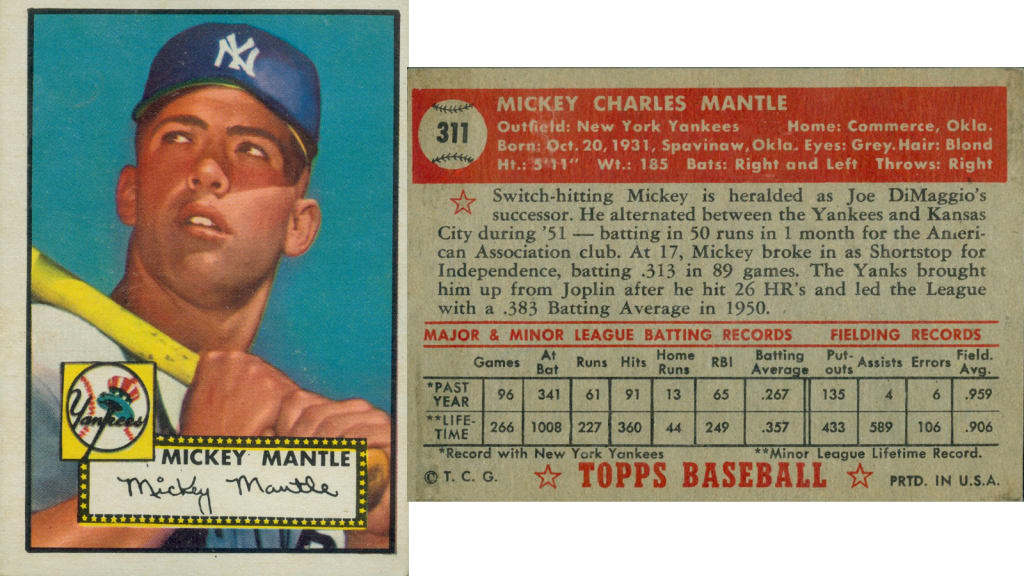
The 1952 Topps Mickey Mantle, a card that has sold for millions of dollars, which makes it a tempting target for thieves.
FedEx will argue its liability is capped by contract
For interstate shipments by truck, the Carmack Amendment (49 U.S.C. § 14706) governs. It makes the carrier liable for the “actual loss or injury” to goods in its custody. The carrier’s defenses are narrow: an act of God, a public enemy, the shipper’s own fault, public authority, or the inherent nature of the goods. Theft is not one of them, so FedEx’s real fight will be over how much it owes.
Carmack lets a carrier limit its liability to a “released value” if the shipper had a fair chance to declare a higher value and pay more for coverage. FedEx’s tariffs and service terms set a low default limit unless the shipper declares a higher value. Its terms have also historically restricted or capped declared value for high-value items. Whether these cards fall under such a restriction will depend on the specific terms that applied to this shipment.
Carmack also preempts most state-law claims against the carrier, such as negligence or conversion (Adams Express Co. v. Croninger, 1913). Several details could still change the analysis:
- Intrastate shipment. If the cards were moving only within California, Carmack may not apply. State law would govern, and California Commercial Code § 7309 also allows carriers to limit liability by tariff or bill of lading.
- Air carriage. If the shipment moved by FedEx Express rather than by truck, federal common law applies. Its released-value doctrine produces a similar result.
- Insider theft. Some courts set aside the limit when the carrier itself converted the goods for its own use. Whether an employee’s theft counts is disputed.
- Deadlines. Carmack requires carriers to give shippers at least nine months to file a written claim. Shippers then have at least two years from a written denial to sue.
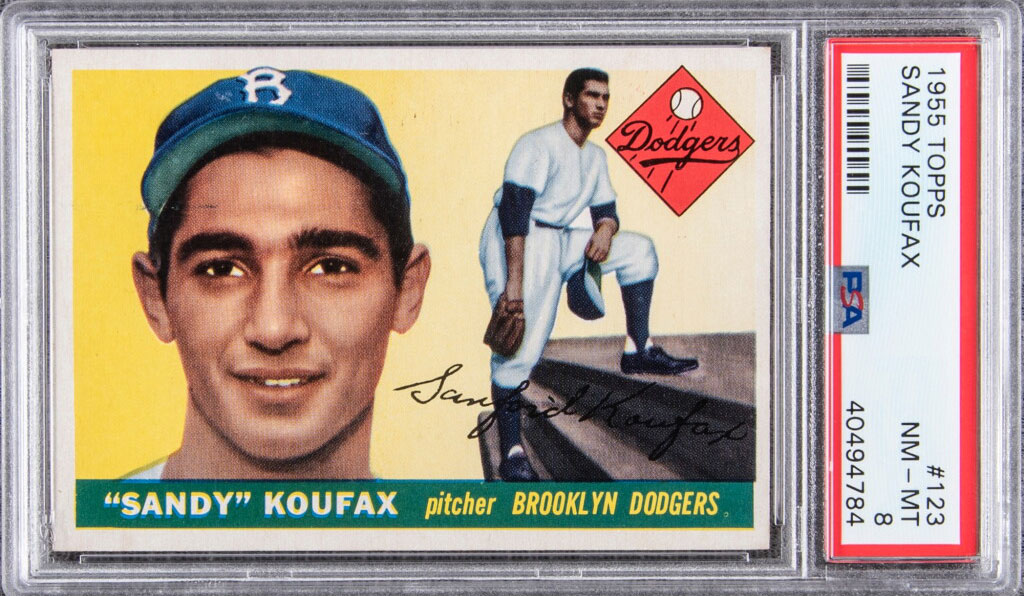
A PSA-graded 1955 Topps Sandy Koufax rookie card.
What it means for collectors
The likely outcome is that each party points to a contract that limits what it owes. PSA’s own cargo or inventory insurance, together with any coverage customers bought themselves, may matter more than any lawsuit. Collectors who ship valuable cards should read the grading company’s terms, declare accurate values, and insure items separately when the carrier or grader will not cover their full value.
This article is general information, not legal advice. It relies on the police statement as reported, and the outcome will depend on the actual contracts and facts.
About the author
Gregg S. Garfinkel, Partner, is an experienced transportation attorney and nationally-recognized expert in the field of business litigation and transportation law. Gregg has represented the nation’s largest transportation & logistics companies, and is personally responsible for some of the most important legal precedent in the 9th Circuit Court of Appeals. Mr. Garfinkel has been recognized as a Southern California Super Lawyer from 2005 – 2017, and has received an AV rating from Martindale-Hubbell. He is also an Adjunct Professor of Business Law at California State University, Northridge.
Related Articles